Crochet Queen: A Designer's Review for Real Embroidery Projects
When I first opened the Crochet Queen file, my initial reaction wasn't about the technical specs or the file format. It was about the vibe. There is a specific energy to this design that immediately signals "handmade" and "crafty." As an experienced designer who has stitched hundreds of projects for clients, I know that not every digital asset translates well into thread. Some look great on a screen but fall apart under the needle. However, Crochet Queen feels like it was born for the hoop. It captures the cozy, textured aesthetic of fiber arts perfectly, making it an ideal candidate for anything from a boutique t-shirt to a personalized baby gift.
The First Impression: Mood and Visual Personality
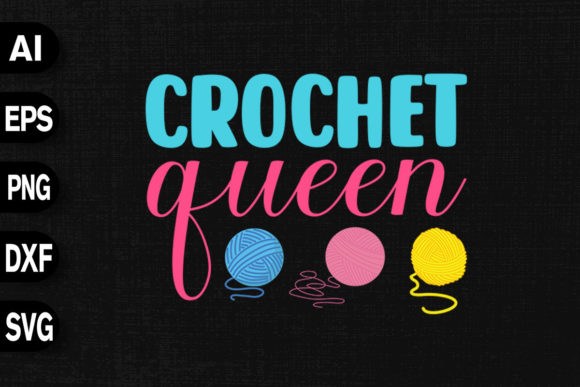
The layout of Crochet Queen strikes a balance between playful and professional. It doesn't scream for attention with chaotic elements; instead, it invites the viewer in with a theme that resonates deeply with makers and crafters. The visual personality suggests warmth, creativity, and a touch of whimsy. When you look at the preview mockups, you can imagine how the lines would flow if they were converted into satin stitches or fill stitches. The shape is robust enough to hold up against the tension of embroidery thread without looking fragile, which is a common issue with many graphic-heavy designs.
This design naturally belongs in the world of handmade goods. It fits seamlessly into the narrative of a small business owner who wants to sell apparel that tells a story. Whether you are creating a custom sweatshirt for a local knitting group or designing a tote bag for a craft fair, Crochet Queen adds a layer of authenticity. It isn't just a logo; it is a statement piece that celebrates the art of crafting. For those selling on Etsy or running a Shopify store, this kind of thematic consistency builds trust with buyers who value artisanal quality.
Real-World Application: From Screen to Stitch
I recently tested a concept using Crochet Queen for a client who wanted to launch a line of aprons for a community cooking class. While the design is marketed as a T-Shirt Design, I decided to push its limits and see how it performed on a heavier canvas fabric. The result was impressive. The design held its structure well, even when applied to a slightly textured material. The curves remained smooth, and the text stayed legible, proving that the underlying vector logic is sound.
Imagine taking this same design and applying it to a soft cotton hoodie for a holiday gift. The contrast between the thread color and the fabric creates a tactile experience that printed graphics simply cannot match. If you are an Etsy seller looking to expand your inventory, this design works beautifully for:
- Custom Apparel: Perfect for oversized tees or fitted hoodies where the design needs to be the focal point.
- Baby Items: The gentle theme makes it suitable for onesies or burp cloths, provided the stitch density is adjusted for delicate skin.
- Home Decor: Try it on pillow covers or kitchen towels for a rustic, farmhouse aesthetic.
- Accessories: It scales down effectively for patches, bags, and even phone cases.
In a commercial setting, the versatility of Crochet Queen allows you to create cohesive branding across different products. You could use the same design file to embroider a patch for a denim jacket, print a mockup for a flyer, or use it as a digital asset for social media promotion. This cross-platform utility saves time and ensures your brand looks consistent whether the customer sees it online or holds the physical product in their hands.
Where to Exercise Caution
Even the best designs have limitations, and knowing where to draw the line is crucial for a professional finish. While Crochet Queen is versatile, there are scenarios where it might struggle if not handled correctly. One area to watch closely is the hoop size. If you attempt to stitch this on a very small hoop, such as one designed for a cap or a tiny cuff, the details might get lost or distorted due to the curvature of the surface.
Fabric texture plays a significant role as well. On highly textured fabrics like chunky knits or loose-weave linens, the definition of the design can soften. Similarly, stretchy fabrics require extra care. Without proper stabilizer support, the tension of the stitching could cause the garment to pucker around the design area, ruining the drape of the shirt. Dark fabrics present another challenge; if you do not choose high-quality, opaque thread colors, the design may lack the pop needed to stand out against a black or navy background.
Dense stitch areas should also be reviewed before finalizing the project. If the design includes intricate corners or tiny lettering, ensure that the machine can handle the density without skipping stitches. For products that will undergo frequent washing, like aprons or baby clothes, the longevity of the stitch is paramount. Always test the wash durability of your thread choice to ensure the design remains vibrant after multiple cycles.
Practical Notes for the Embroidery Designer
Before you commit to a full production run, there are several steps every designer should take to ensure success. First and foremost, always test the design on scrap fabric that matches your final project material. This allows you to gauge the thread color contrast and inspect the stitch density firsthand. Seeing the design in black and white mockups can also help you visualize how the negative space will interact with the fabric.
Confirming the correct hoop size is non-negotiable. If the design exceeds the capacity of your current hoop, you may need to split the embroidery or adjust the placement. Additionally, check the licensing terms carefully. While the file is compatible with Cricut and Silhouette machines, meaning it can be used for cutting vinyl or paper, verify whether the license permits commercial use for embroidered items sold to customers. Many designers overlook this detail until they are ready to ship orders.
Using the right stabilizer is another critical factor. For lightweight fabrics, a cut-away stabilizer provides the necessary support to prevent puckering, while tear-away might suffice for heavier materials. Review the thread colors against your fabric swatches to ensure maximum visibility. Finally, compare light and dark fabric backgrounds to see how the design shifts visually. These small adjustments make the difference between a amateur-looking product and a professional finished product.
Final Thoughts on Value and Appeal
Crochet Queen offers more than just a graphic; it offers a solution for creative entrepreneurs who want to elevate their handmade products. By integrating this design into your workflow, you enhance the perceived value of your items. Customers are willing to pay a premium for personalized gifts that show attention to detail and craftsmanship. The design fosters recognition and professionalism, helping your brand stand out in a crowded marketplace.
Whether you are a hobbyist looking to make a unique gift for a friend or a small shop owner preparing for a holiday rush, this design provides a solid foundation. It bridges the gap between digital convenience and tangible artistry. Just remember to respect the limitations of the medium, test thoroughly, and let the quality of your execution speak for itself. When done right, Crochet Queen becomes a staple in your collection of design assets, ready to bring joy and style to any embroidery project.