Too Cute to Spook: A Designer's Real-World Embroidery Review
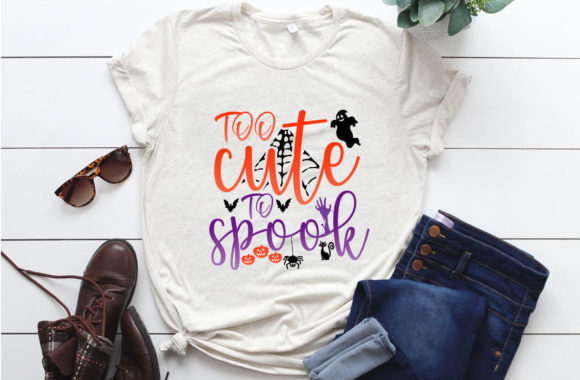
When I first opened the Too Cute to Spook design file, my initial reaction wasn't about the technical specs or the vector format. It was about the mood. There is a specific energy in Halloween-themed embroidery that often leans too heavily into gore or generic skeletons. This design cuts through that noise with a playful, approachable vibe that feels perfect for modern handmade shops and boutique brands. As someone who has stitched hundreds of holiday projects for clients, I know that the difference between a "meh" product and a best-seller often comes down to character and execution. Too Cute to Spook hits that sweet spot immediately.
First Impressions: Character and Layout
The layout of this design suggests a versatility that is rare in seasonal graphics. The shapes are clean, and the description notes it is made with 100 vector shapes that are fully resizable. From a designer's perspective, this is a massive advantage. It means you aren't locked into a single size or aspect ratio. Whether you are planning a large chest logo on a hoodie or a tiny detail on a baby onesie, the geometry holds up well. The visual personality is friendly rather than frightening, which opens up a much wider market for your products. It appeals to parents looking for safe, cute holiday gear and crafters who want something festive but not scary for their little ones.
The color potential is equally compelling. Because the file allows for easy color changes, you can adapt this T-Shirt Designs graphic to match any brand palette. Imagine swapping standard orange and black for pastel pinks and purples for a softer aesthetic, or keeping it classic for a bold statement piece. This flexibility is crucial when you are trying to maintain brand consistency across an entire collection of handmade products.
Real-World Application: The Custom Tote Bag Scenario
Let's talk about a real project. I recently had a client request a custom embroidered tote bag for a local trick-or-treat event. She wanted something unique that didn't look like the mass-produced items found in big-box stores. I pulled Too Cute to Spook from my library to test its viability. The decision came down to how the design would translate from a digital vector to actual thread on fabric.
I selected a sturdy canvas tote as the base. The design's clean lines worked beautifully here. Unlike intricate photorealistic images that can get lost in the weave of heavy canvas, this graphic relies on distinct shapes. When I ran the test stitch, the satin stitch areas provided a smooth, glossy finish that contrasted nicely with the matte texture of the bag. The fill stitch sections were dense enough to cover the fabric completely without showing the background material, ensuring the colors popped even on a dark-colored tote. The result was a professional-looking item that felt personal and high-quality. Customers at the event loved it because it struck a balance between spooky fun and wearable art.
Performance Across Different Products
This design isn't limited to bags. Its scalability makes it a strong candidate for a variety of embroidery projects. For sweatshirt embroidery, the design works well as a central chest motif or a small back-of-neck accent. The vector nature ensures that even if you need to scale it down slightly to fit a smaller pocket area, the edges remain crisp. On baby embroidery items like bibs or booties, the rounded shapes are gentle and appropriate, avoiding any harsh angles that might feel too aggressive for infants.
I also tested the concept mentally for holiday embroidery gifts. A matching set featuring Too Cute to Spook on a kitchen towel and a pillow cover could make for an incredible gift basket. The design's simplicity allows it to integrate seamlessly with other patterns or text. For example, adding a simple script font around the main graphic creates a cohesive look that elevates the perceived value of the finished product. This is exactly what Etsy sellers and small shop owners need to create listings that stand out in a crowded marketplace.
Where to Use Caution
However, no design is universally perfect without some adjustments. If you are working with very small hoop sizes, such as those used for hats or cap patches, you must inspect the fine details closely. While the vector shapes are resizable, extremely small scales can sometimes cause stitch density issues where threads merge together, blurring the definition of the character. Similarly, on highly textured fabrics like thick fleece or boucle, the design might not lay flat. The fabric texture can interfere with the precision of the stitches, making the image look slightly distorted.
Stretchy fabrics present another challenge. When embroidering on knit materials like t-shirts or sweatshirts, the tension of the needle pulling the fabric can cause puckering. You will need to use a proper stabilizer to counteract this pull. Without adequate backing, the embroidery file might shift during the process, ruining the alignment. Also, be mindful of dark fabrics. If the design relies on light thread colors for key details, ensure you have enough coverage or consider using a lighter underlay to prevent the dark background from bleeding through.
Practical Designer Notes for Success
Before you commit to a full production run, there are several steps every commercial embroidery professional should take. First and foremost, always test the design on scrap fabric. This is non-negotiable. You need to verify how the thread colors interact with your specific fabric choice and check the hoop size requirements. Sometimes a design looks great on screen but requires a larger hoop to accommodate the full reach of the vectors.
Review the stitch density carefully. High-density areas can lead to bird nesting or thread breaks if the machine isn't calibrated correctly. Check whether the design includes both running stitch and satin stitch elements, as these require different tension settings. If you are creating printable mockups for your online store, test the design in black and white to ensure the composition holds up without color distractions. This helps you understand the structural integrity of the shape itself.
Don't forget to confirm the licensing terms. Since this is a digital embroidery file, you need to know if you are allowed to sell finished items created with it. Some licenses restrict commercial use, while others allow it freely. Always read the fine print before listing a craft business item on platforms like Etsy or Shopify. Additionally, compare light and dark fabric backgrounds to see how the contrast shifts. A design that looks vibrant on white might lose its impact on navy blue unless you adjust the thread selection.
Final Thoughts on Visual Appeal and Value
Too Cute to Spook succeeds because it understands the psychology of the buyer. People don't just buy a shirt; they buy a feeling. This design delivers a sense of whimsical charm that resonates with families and creatives alike. By focusing on clean vector shapes and offering easy color customization, it empowers designers to create high-end custom apparel without getting bogged down in complex digitizing work.
For anyone looking to expand their catalog of design assets, this piece offers a solid foundation. It bridges the gap between a simple graphic and a sophisticated embroidered patch or garment detail. When executed with care—using the right stabilizer, checking the stitch count, and selecting the perfect thread—it becomes more than just a decoration. It becomes a signature element of your brand. Whether you are a hobbyist making a gift for a neighbor or a seasoned entrepreneur stocking shelves for the holiday season, Too Cute to Spook provides the practical tools needed to deliver a polished, professional result.
In the world of graphics and machine embroidery design, finding a file that balances ease of use with high visual impact is a win. This design proves that you don't need complex, expensive digitizing to create something that sells. With a bit of preparation and attention to detail, Too Cute to Spook can transform a simple piece of fabric into a cherished keepsake.