Turkey Embroidery Design Review for Real Projects
As someone who has spent years turning digital files into tangible, stitched treasures, I approach every new design with a mix of excitement and skepticism. When I first pulled up the Turkey embroidery file, my immediate reaction was less about the technical specs and more about the vibe it projected. It isn't just another bird shape; it carries a specific weight of tradition and festivity that makes it perfect for seasonal collections. But does it hold up when the needle starts moving? After running through several mental scenarios involving custom apparel and handmade goods, here is my honest take on how this design performs in the real world.
The First Impression: Mood and Visual Personality
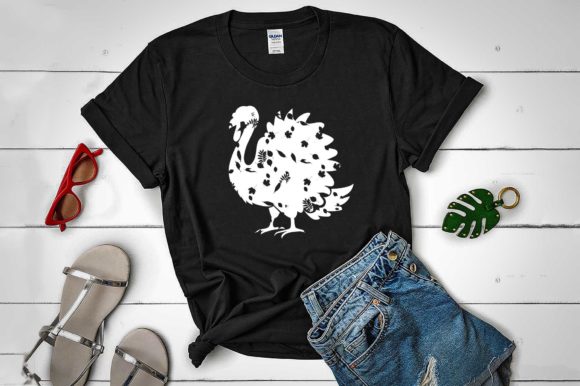
The moment you see the layout of Turkey, it feels grounded and friendly. The shape is bold enough to command attention but retains a softness that works well for family-oriented products. For an embroidery designer, the most critical factor is often the "stitch personality." Does the design look like a drawing or does it look like thread? This file strikes a balance that suggests it will translate beautifully from screen to fabric. The visual weight implies a design that belongs on substantial items rather than flimsy materials. It screams cozy autumn evenings, Thanksgiving gatherings, and rustic home decor. If you are looking to add a touch of warmth to your shop's inventory, this graphic offers a strong foundation for a cohesive brand aesthetic.
Real-World Application: Where Turkey Shines
I have been thinking about where this design would fit best in a commercial workflow. Imagine preparing a custom embroidered tote bag for a local craft fair. A simple, clean outline of Turkey on a canvas tote is timeless. It doesn't require complex color changes, which keeps production costs down while delivering high perceived value. The 12″ x 16″ dimensions provided in the EPS file give you plenty of room to play with sizing without losing definition. You could place it centrally on a heavy-duty cotton tote, and the result would feel professional and durable.
Now, consider the holiday season. This is the time when embroidery project demand peaks. Turkey is a natural fit for kitchen towels and aprons. Picture a set of matching tea towels for a hostess gift. The design would sit perfectly near the hemline, adding a playful yet elegant touch. Because the file includes a robust vector structure, you can scale it down for baby clothes or up for large sweatshirt embroidery without pixelation. I can easily visualize this on a nursery wall hanging or a pillow cover, where the texture of the stitching adds depth that print cannot replicate. For an Etsy seller, having a versatile design like this means you can create a single asset and sell it across multiple product categories, maximizing your return on investment.
Apparel and Personalized Gifts
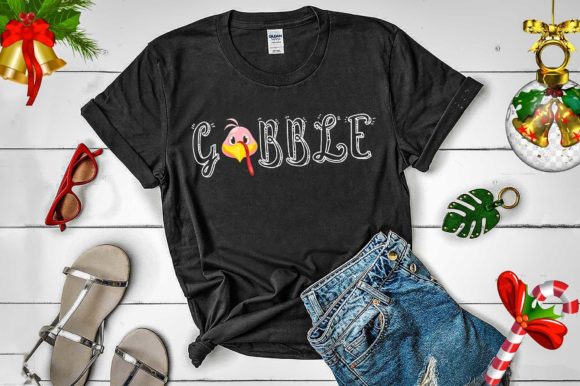
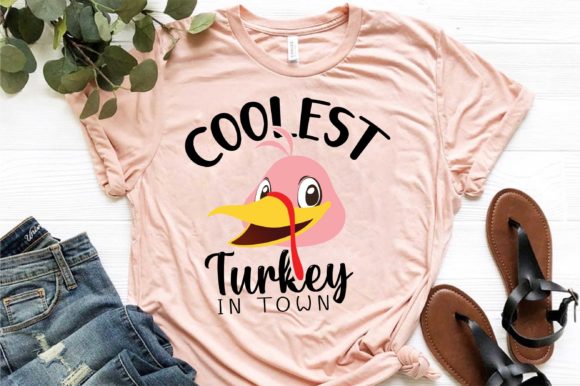
When working on custom apparel, such as sweatshirts or t-shirts, the placement matters immensely. Turkey works exceptionally well as a chest logo or a larger back print. The design's simplicity allows it to blend seamlessly with other elements if you decide to layer it with text like "Happy Thanksgiving" or a family name. For personalized gifts, the ability to adjust the size is crucial. You might stitch a smaller version onto a bib for a baby, creating a cherished keepsake that captures a specific memory. The clean lines ensure that even on textured fabrics like fleece or denim, the design remains legible and attractive.
Navigating the Challenges: Where to Be Careful
While Turkey is a strong candidate for many projects, no design is universally perfect. As a reviewer, I must highlight areas where caution is required. If you are working with small hoop sizes, you need to be mindful of the density. While the EPS file is 12″ x 16″, reducing it too much can cause issues with thread breaks or puckering. Always test the design at its intended final size before committing to a customer order.
Fabric choice is another critical variable. Stretchy fabrics, like thin jersey or certain blends used in activewear, can distort the shape of the bird during the stitching process. In these cases, using a proper stabilizer is non-negotiable. Similarly, dark fabrics present a challenge regarding contrast. If you do not select the right thread colors, the details of the design might get lost against a black or navy background. I recommend testing the design on scrap fabric first to check thread color contrast and inspect small details under good lighting.
Curved surfaces, such as caps and hats, also require special attention. The curvature of a cap can flatten the visual impact of a design meant for flat surfaces. If you plan to use Turkey on headwear, you may need to adjust the digitization or choose a smaller hoop setup to accommodate the curve without distortion. Additionally, avoid placing dense stitch areas directly on the edge of a garment where they might catch on zippers or buttons.
Technical Notes for the Savvy Designer
Before you hit the start button on your machine, there are a few practical steps to ensure success. First, verify the stitch density. Although the product description mentions an EPS file, it does not explicitly state the stitch count or specific machine compatibility. You should open the file in your embroidery software to review the stitch types. Look for areas where satin stitch transitions into fill stitch or running stitch. Excessive density can lead to a stiff hand-feel, which is undesirable for baby clothes or soft loungewear.
Stabilizer selection is equally important. For a design of this size, a cut-away stabilizer is usually the safest bet for woven fabrics to prevent shifting, while a tear-away might suffice for stable knits. However, always consult the manufacturer's guidelines for your specific machine. If you are planning to sell finished items commercially, double-check the licensing terms associated with the digital product. Some licenses allow for personal use only, while others permit selling a limited number of physical goods. Confirming these details protects your business from potential legal issues.
Visual Appeal and Brand Consistency
The ultimate goal of any embroidery file is to enhance the perceived value of the final product. Turkey achieves this by offering a design that feels both traditional and modern. It avoids the cluttered look of overly detailed illustrations, making it easier to maintain brand consistency across different merchandise. Whether you are creating a boutique product line or a series of holiday gifts, this design provides a reliable anchor for your visual identity. Customers trust designs that are clear, well-proportioned, and professionally executed. By choosing a design that holds up under scrutiny, you build confidence in your handmade products.
In conclusion, Turkey is a solid addition to any designer's library, particularly for those focusing on seasonal themes, home decor, and custom apparel. Its versatility allows it to adapt to various contexts, from a simple tote bag to a complex layered garment. Just remember to respect the limitations of your equipment and materials. Test thoroughly, choose your threads wisely, and ensure your stabilizers are up to the task. With careful execution, this design can help you create beautiful, lasting pieces that customers will love.