Knitting Heartbeat: A Designer's Review for Real Projects
When I first opened the Knitting Heartbeat file, my immediate reaction was one of warmth. In a market saturated with generic geometric patterns and bold typography, this design offers something softer yet undeniably striking. As an experienced designer who has reviewed hundreds of embroidery files for client projects and small business merchandise, I look for more than just visual appeal; I need to know how it translates from a digital screen to a stitched reality. This piece sits comfortably in the T-Shirt Designs category but feels equally at home on a variety of textiles.
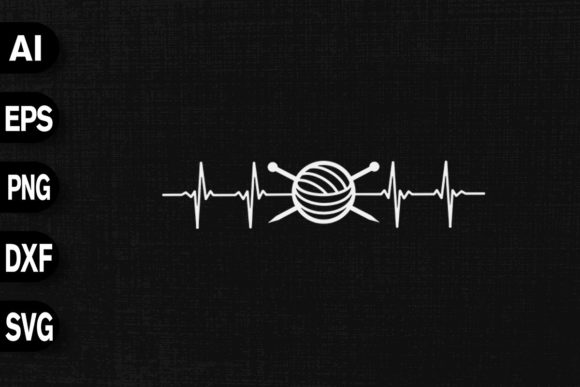
The concept is simple yet effective: a heart motif intertwined with knitting needles or yarn. It evokes a mood of cozy domesticity, creativity, and handmade care. The layout suggests a central focal point that works well for chest placements on apparel or centered designs on tote bags. Unlike many graphics that feel flat or overly complex, Knitting Heartbeat possesses a clear visual personality that promises to elevate any finished product from a mass-produced item to a thoughtful, personalized gift.
From Screen to Stitch: A Real-World Scenario
Let's imagine a practical scenario where this design comes to life. I recently received a request from a boutique owner who wanted to create a limited-run collection of aprons for a local "Knit Night" community event. She needed something that resonated with knitters and crafters without being too literal or cheesy. That is when I considered Knitting Heartbeat.
I selected a heavy-duty canvas fabric for the apron front and began the digitizing process. The challenge with any heart-themed design is avoiding the cliché look while maintaining emotional impact. The way the lines flow in this design allows for excellent stitch direction changes, which is crucial for a professional finish. When I stitched it out, the contrast between the fill stitches representing the yarn and the satin stitch outlining the heart created a beautiful texture. It didn't just sit on top of the fabric; it felt integrated into the material.
The result was stunning. Customers at the event loved the subtle detail. They could see the "knitted" texture in the stitching, which added value to the apron. It wasn't just a logo; it was a conversation starter. This kind of reaction is what every craft business owner hopes for. It transforms a standard utility item into a keepsake that customers are proud to wear or display.
Performance Across Different Textiles
While the apron was a success, I also tested Knitting Heartbeat on other surfaces to ensure its versatility for various embroidery projects. Here is how it performed in different real-life situations:
- Sweatshirt Embroidery: On a fleece hoodie, the design held up beautifully. The density of the stitches provided enough weight to prevent the fabric from puckering, which is a common issue with lighter designs on thick materials. It looks perfect for a casual, everyday garment.
- Tote Bag Design: Canvas bags are a staple for Etsy sellers, and this design fits perfectly. The clean lines of the heart make it readable even on a busy print background if you choose to layer it. It adds a touch of whimsy to a utilitarian item.
- Baby Embroidery: For baby onesies or blankets, the soft theme is ideal. However, I recommend adjusting the stitch density slightly lower for delicate baby fabrics to ensure comfort against sensitive skin. The design is gentle enough not to irritate, making it a great choice for a personalized gift.
- Holiday Embroidery: Imagine this stitched onto a kitchen towel or a pillow cover during the winter season. The combination of knitting and heart imagery screams "cozy Christmas," making it a high-value item for holiday markets.
Where to Exercise Caution
No single design is a universal fit, and as a professional reviewer, I must highlight where Knitting Heartbeat might struggle. Understanding these limitations is key to managing customer expectations and ensuring a high-quality finished product.
First, consider small hoop sizes. If you are working on very small items like a cap brim or a tiny patch, the details within the knitting strands might get lost or become muddy. The eye needs room to appreciate the interplay of the threads. If the design is too compressed, the stitch density can cause the fabric to pucker, ruining the aesthetic.
Second, be mindful of textured fabrics. While canvas and cotton work well, highly textured materials like bouclé or rough wool can hide the fine details of the design. Similarly, stretchy fabrics require careful stabilization. Without the right amount of backing, the tension of the machine pulling the thread can distort the shape of the heart over time.
Dense stitch areas are another consideration. If your machine settings are too aggressive, the layers of thread in the center of the heart can become stiff and uncomfortable. This is particularly important for items that will be worn directly against the skin, such as baby clothes or underwear. Always test the hand-feel of the embroidery before mass-producing.
Visual Appeal and Brand Consistency
In the world of commercial embroidery, visual consistency is everything. Knitting Heartbeat offers a level of professionalism that builds trust with buyers. When a customer sees a crisp, well-executed design, they assume the entire brand is reliable. This design helps establish a cohesive look across different products, whether it is a printable mockup for an online listing or a physical item in a shop window.
The design also enhances the perceived value of the item. A simple t-shirt becomes a statement piece when adorned with a thoughtfully executed machine embroidery design. It signals that effort and care went into the creation, which justifies a higher price point. For digital product sellers, using this design in previews can significantly boost engagement because it appeals to the emotions of the buyer.
Practical Notes for the Designer
Before you commit to a large production run, there are several technical steps you should take to ensure success. My experience dictates that preparation is the difference between a satisfied customer and a refund request.
- Test on Scrap Fabric: Never skip this step. Stitch the design on a scrap piece of the same fabric you intend to use. Check how the thread colors interact with the material under natural light.
- Review Stitch Density: Look closely at the center of the heart. Is it too thick? Does it look like a solid blob, or can you see the individual stitch directions? Adjusting the density can make a huge difference in the final texture.
- Check Hoop Size: Ensure your hoop is large enough to accommodate the design without cutting off any edges. If the design is tight, consider resizing or splitting it for larger garments.
- Inspect Small Details: Zoom in on the digital file. Are there tiny elements that might break down during stitching? Sometimes, simplifying a design slightly can improve durability.
- Stabilizer Selection: Use the appropriate stabilizer for your fabric. For stretchy materials, a cut-away stabilizer is often best to prevent distortion. For woven fabrics, a tear-away might suffice.
- Licensing and Commercial Use: Before selling finished items made with this design, confirm the licensing terms. Some digital embroidery files allow personal use only, while others permit commercial sales. Always read the fine print to protect your small shop product line.
Finally, compare your design in both black and white and full color. This helps you visualize how it will look on dark versus light fabrics. If you are planning to sell on platforms like Etsy, creating printable mockups with this design can help you gauge its market potential before investing in inventory.
Knitting Heartbeat is more than just a graphic; it is a tool for storytelling through thread. Whether you are creating a custom gift for a friend or building a robust line of apparel decorations, this design provides the foundation for a project that feels authentic and heartfelt. By paying attention to the nuances of execution, you can turn a simple SVG file into a standout piece of wearable art.