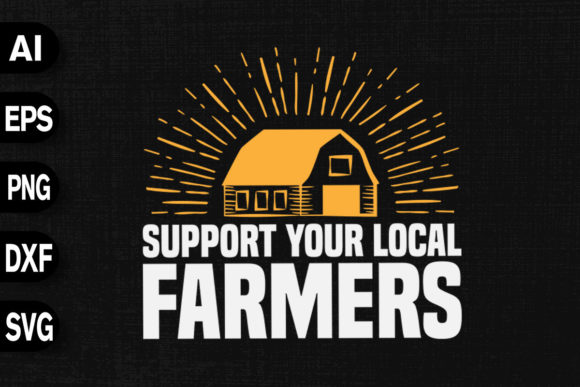
Support Your Local Farmers: A Designer's Review
As a designer who spends more time than I care to admit staring at stitch density charts and testing thread colors, I approach every new machine embroidery design with a mix of hope and skepticism. When I first laid eyes on the Support Your Local Farmers file, I didn't just see a pretty phrase; I saw a potential cornerstone for a boutique brand or a heartfelt community gift. This isn't just another generic T-Shirt Designs collection item; it is a strategic Graphics asset that demands practical evaluation before it ever hits the hoop.
The immediate mood this design sets is one of grounded authenticity. It feels less like corporate branding and more like a neighborhood handshake. The layout suggests a clear hierarchy where the message takes center stage, making it perfect for those who want their handmade products to convey a story without shouting. For any Etsy seller or small business owner, this kind of visual personality is gold because it builds an emotional connection with the buyer instantly. It signals values of sustainability and community support, which are huge drivers in today's market for handmade product lines.
I recently put this design through a real-world stress test while preparing a custom order for a local farm-to-table pop-up shop. The client wanted embroidered tote bag design options that would double as promotional tools for their weekend market. We selected heavy-duty canvas bags and decided to use the Support Your Local Farmers motif. The decision was driven by the need for something durable yet visually striking. After running the embroidery file through the machine, the result was exactly what we needed: clean lines that held up against the rugged texture of the canvas. It transformed a simple utility item into a statement piece that customers were eager to carry around town.
When considering where this design fits best, the versatility is genuinely impressive. Beyond the standard apparel, I can easily envision this as a centerpiece for sweatshirt embroidery projects aimed at holiday gifts. Imagine a cozy fleece hoodie featuring this text in a warm, earthy thread color palette; it becomes a wearable manifesto. For baby embroidery enthusiasts, the softer aesthetic works well on bibs or onesies, turning a functional item into a cherished keepsake. Even for kitchen towel designs or aprons used in cooking classes, the theme resonates perfectly with the audience who values fresh ingredients and artisanal methods.
However, not every surface is created equal, and a professional knows when to exercise caution. If you are planning to use this on small hoop sizes, such as those required for caps or hats, you must carefully evaluate the spacing. Curved surfaces like baseball caps can distort lettering if the stitch density is too high or if the design lacks enough negative space. Similarly, applying this to thin fabrics or stretchy materials requires a robust stabilizer strategy. Without proper backing, the tension of the threads could pucker the fabric, ruining the crisp look of the satin stitch elements. Dark fabrics also present a challenge; unless you have access to high-contrast thread colors, the design might get lost against a black or navy background, reducing its impact.
For commercial embroidery projects, the clarity of the design is paramount. Customers pay a premium for precision, and a sloppy execution can damage your reputation. The Support Your Local Farmers design generally handles fill stitch areas well, but I always recommend inspecting the smaller details closely. Tiny letters or intricate decorative accents can sometimes disappear if the thread count is too low. Before committing to a full production run, I strongly advise creating a printable mockup to visualize how the design will look in different colorways. Testing it in black and white can reveal contrast issues that might not be obvious in a digital preview.
The value of this design extends beyond mere aesthetics; it influences customer trust and perceived quality. A well-executed embroidered patch or a neatly stitched logo on a personalized gift tells the buyer that care was taken. In the competitive world of craft business, that attention to detail is often the difference between a one-time sale and a loyal customer base. When buyers see that you have invested time in selecting high-quality design assets, they assume the entire product line meets that same standard. This design helps elevate a simple tote or mug into a premium small shop product.
From a technical standpoint, there are several notes every embroidery designer should keep in mind. First, always test the design on scrap fabric that matches the final project material. This step is non-negotiable for catching issues with thread pull or tension before you ruin a finished item. Second, review the thread colors available in your machine library. The success of this design relies heavily on the contrast between the thread and the fabric. If you are using a running stitch for outlines, ensure the line weight is sufficient to stand out against the background. Finally, confirm the licensing terms before selling finished items or offering this as a digital embroidery file. Understanding whether you have commercial rights is crucial for avoiding legal pitfalls in your creative entrepreneur journey.
If you are looking to expand your inventory with seasonal items, this design shines during holiday periods. It serves as an excellent holiday embroidery option for gifts that celebrate local agriculture and community spirit. Whether it is a custom apron for a chef or a pillow cover for a farmhouse-style nursery, the theme remains relevant and timeless. The design's ability to adapt to various mediums—from phone case prints to large banners—makes it a versatile tool in your arsenal. It bridges the gap between digital convenience and tactile craftsmanship, allowing you to offer a wide range of finished product options.
In conclusion, the Support Your Local Farmers design is more than just a trendy phrase stitched onto cloth; it is a thoughtful addition to any embroidery project portfolio. Its strength lies in its simplicity and its ability to evoke a sense of place and purpose. By understanding its limitations regarding fabric type and hoop size, and by adhering to best practices in stabilization and thread selection, you can create stunning pieces that resonate deeply with your audience. For anyone in the apparel decorators or digital product sellers space, this is a reliable asset that balances artistic flair with commercial viability. Use it wisely, test it thoroughly, and watch your brand consistency grow with every stitch.