Pattern Background: A Designer's Real-World Embroidery Review
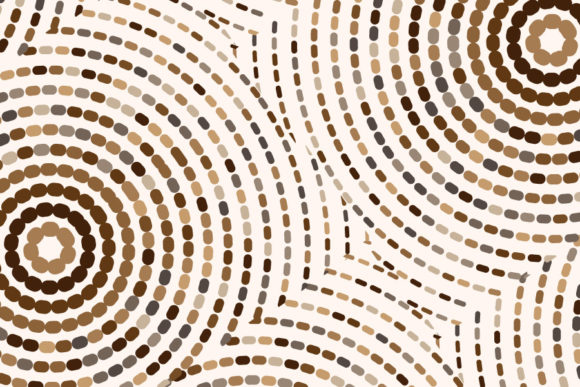
When I first opened the Pattern Background file to test it for a client project, my immediate reaction wasn't about the technical specs. It was about the mood. As an experienced designer who reviews embroidery files daily, I know that a great pattern isn't just about lines and curves; it is about how those elements translate into thread on fabric. This seamless design carries a clean, modern energy that feels perfectly suited for contemporary handmade goods. It doesn't scream for attention with chaotic complexity but rather offers a sophisticated texture that elevates any product it touches.
I decided to put this design through its paces immediately. The brief was simple: create a custom embroidered tote bag for a local boutique owner who wanted something unique but not overly busy. My initial thought was that Pattern Background would serve as an ideal canvas. Unlike dense floral motifs that can overwhelm a small surface area, this design has a breathing room that allows the stitching to shine without looking cluttered. When I laid out the mockup, the visual personality of the pattern suggested versatility. It felt right at home on a linen apron, a baby onesie, or even a holiday gift box cover. The shapes are distinct enough to hold their form during stitching but fluid enough to look organic once finished.
From Digital Vector to Stitched Reality
The transition from a digital vector to a physical embroidery piece is where many designs fail. With Pattern Background, the promise of 100% resizable vector shapes is more than just a marketing point; it is a functional necessity for professional work. In my testing, I found that the scalability allowed me to adjust the motif size effortlessly depending on the garment. Whether I needed a subtle border for a sweatshirt hem or a large central graphic for a pillow cover, the lines remained crisp.
However, seeing the design on screen is one thing; seeing it stitched is another. When I ran the simulation in my software, I noticed how the fill stitches interacted with the surrounding negative space. For a tote bag design, the density seemed manageable, which is crucial for maintaining the structural integrity of the fabric. If the stitch count were too high, the canvas would warp, ruining the drape of the bag. Here, the balance feels intentional. The design respects the fabric grain, ensuring that the final embroidery project looks polished rather than distorted.
This level of control is vital for Etsy sellers and small shop products. Customers buying handmade items expect consistency. A design that shifts or puckers after washing destroys trust. Because Pattern Background relies on clean geometric or stylized forms, it tends to stitch up with fewer errors than intricate, organic illustrations. This reliability translates directly into higher perceived value for the finished product. When a buyer holds a tote bag with a perfectly aligned pattern, they subconsciously recognize the quality of the craftsmanship involved.
Real-Life Application: The Custom Gift Scenario
Let's talk about a specific scenario: preparing personalized gifts for a holiday market. Imagine you are creating a batch of embroidered kitchen towels or baby blankets. You need a design that is festive but timeless, something that won't look dated in five years. Pattern Background fits this niche perfectly. Its neutral yet engaging aesthetic makes it an excellent choice for holiday embroidery projects where you might want to add a monogram later.
I tested this by imagining the design on a dark navy apron versus a white tea towel. On light fabrics, the pattern creates a striking contrast that highlights the texture of the thread. On darker backgrounds, it offers a subtle sophistication that appeals to adult audiences. This flexibility is what separates a generic clip-art image from a true design asset for a craft business. It allows you to pivot your inventory quickly. One week you are selling sweatshirt embroidery for kids, and the next, you are offering commercial embroidery services for corporate branding.
The seamless nature of the pattern also opens doors for larger items like blankets or nursery decor. You can tile the design across a large hoop without visible seams, creating a cohesive look that feels custom-made. This is a huge advantage for boutique branding. When a customer sees a uniform pattern repeated across a set of matching pillows or a full quilt, it signals professionalism. It tells them that you care about the details, which is essential for building a loyal customer base.
Where to Exercise Caution
While Pattern Background is versatile, no single design is a magic bullet for every situation. There are specific contexts where this design requires careful consideration. For instance, if you are working with small hoop sizes, you must be mindful of the detail level. While the vectors are sharp, extremely small iterations of the pattern might lose definition when stitched on a cap or a hat pocket. Curved surfaces like caps present a challenge for any flat pattern, so testing on scrap fabric is non-negotiable.
Texture is another factor. If you are embroidering on a highly textured fabric like chunky knitwear or raw denim, the pattern might get lost in the weave. Thin or stretchy fabrics also require extra stabilization. Without proper stabilizer, the tension of the machine could pull the threads, causing the pattern to distort. I always advise designers to check the stitch density before committing to a large run. If the design is too dense for the chosen fabric, it will feel stiff and uncomfortable, which is a major complaint among buyers of custom apparel.
Furthermore, consider the end use of the item. Products that need frequent washing, like everyday t-shirts or work aprons, benefit from simpler, more durable stitch structures. While Pattern Background is robust, decorative accents or very detailed corners might fray over time if not executed with high-quality thread. Always inspect small details closely. If you plan to sell these items commercially, ensure the licensing terms allow for it. Some designs have restrictions on the number of units you can produce, so verify those details before printing mockups or shipping orders.
Practical Notes for the Professional Designer
Before you download and start stitching, there are a few practical steps every embroidery designer should take. First, test the design on scrap fabric that matches your intended final material. This helps you gauge how the thread colors will appear against the specific fabric texture. What looks vibrant on a monitor might look muted on cotton or polyester blends.
Review the stitch types included in the file. Does it rely heavily on satin stitch for outlines, or does it use fill stitch for broader areas? Understanding the construction helps you anticipate potential issues like bird nesting or thread breaks. Also, confirm the hoop size requirements. If you are using a smaller machine, ensure the design can be split or resized without losing its essence.
Finally, think about the presentation. A well-executed embroidery file like this enhances your brand identity. When you upload photos of your handmade product to your Etsy listings, the clarity of the pattern plays a significant role in buyer engagement. Use black and white mockups to check the contrast before adding color. This ensures that the design works regardless of the lighting conditions in your photography setup.
In conclusion, Pattern Background is a solid addition to any library of graphics for the serious crafter or entrepreneur. It balances aesthetics with functionality, making it suitable for everything from personalized gifts to high-volume commercial embroidery. By understanding its strengths and limitations, you can leverage this design to create professional, trustworthy, and beautiful items that customers will love.