Grandma Witch: A Designer's Real-World Embroidery Review
As someone who has spent years reviewing digital assets for the embroidery community, I have seen countless designs that look great on a screen but fail miserably when stitched. When I first pulled up the Grandma Witch file to test its viability for a real-world project, my initial reaction was one of cautious optimism. This isn't just another generic graphic; it carries a specific mood that needs to translate from a flat image into raised thread. For crafters, Etsy sellers, and small business owners looking to add character to their inventory, understanding how a design like this behaves under the needle is critical.
The First Impression: Mood and Visual Personality
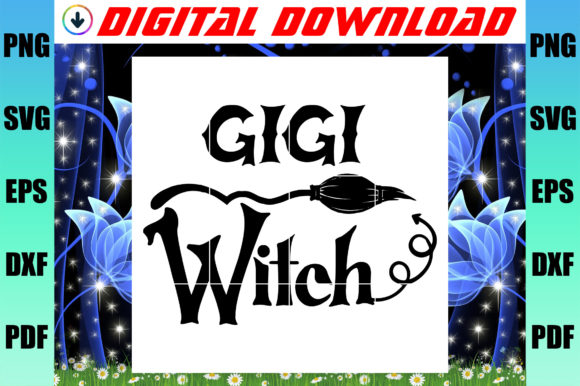
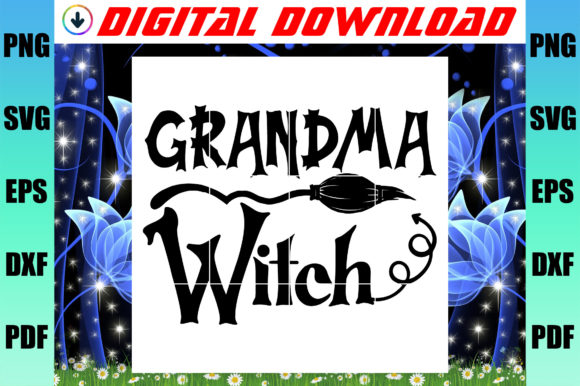
The moment you open the Grandma Witch file, the visual personality jumps out. It strikes a balance between whimsical charm and classic witchy aesthetics without leaning too heavily into caricature. The layout suggests a design that is meant to be a focal point, whether it sits centered on a tote bag or nestled in the corner of a baby onesie. The shapes appear clean enough for digitizing, which is the first hurdle any embroidery designer must clear.
In terms of theme, this piece feels perfectly suited for autumnal collections, Halloween merchandise, or even year-round "witchy" branding for boutique shops. The name itself evokes a sense of nostalgia and warmth, suggesting that the finished product should feel inviting rather than spooky. For a handmade product, this emotional connection is vital. If the design looks cluttered or poorly proportioned, the customer will sense the lack of professionalism immediately. Fortunately, the initial structure of Grandma Witch suggests it has the potential to elevate a simple item into something with perceived value.
Real-World Application: From Screen to Stitch
Let's imagine a practical scenario. You are preparing for a local craft fair or launching a new line of holiday gifts. You decide to create a custom embroidered sweatshirt featuring Grandma Witch. The goal is to create a cozy, wearable piece of art that customers will want to photograph and share on social media. In this context, the design needs to hold up against the texture of fleece or heavy cotton blends.
When I analyzed how Grandma Witch performs in this setting, the versatility stood out. It works beautifully as a standalone motif on a tote bag design, where the background fabric provides contrast. It also translates well to smaller items like aprons or kitchen towels, where the whimsical nature of the witch adds a touch of humor to daily chores. For an Etsy seller, this flexibility is gold. One digital asset can spawn multiple revenue streams: a cap for the hat lover, a pillow cover for the home decorator, and a patch for the backpack enthusiast.
The design also shines in personalized gift scenarios. Imagine embroidering this onto a baby blanket or a child's hoodie. The friendly vibe of the character makes it approachable for younger audiences, while the high-quality stitch work ensures parents feel confident in the durability of the item. Whether you are creating commercial embroidery pieces or personal projects, the ability of Grandma Witch to adapt to different garment types is a strong indicator of a well-conceived embroidery file.
Where to Exercise Caution: Technical Limitations
However, every designer knows that no single design fits every situation. There are specific environments where Grandma Witch might struggle if not handled with care. Small hoop sizes are a primary concern. If the design contains intricate details or dense stitching areas, compressing them into a 4x4 inch hoop can result in a muddy appearance where individual stitches blend together. Before committing to a small batch production, you must verify the dimensions of the hoop size required.
Fabric texture plays a significant role as well. While this design likely excels on stable fabrics like canvas or twill, applying it to thin, stretchy materials like jersey knit requires extra attention. Without proper stabilizer, the tension could distort the shape of the witch, ruining the symmetry of the satin stitch or causing the fill stitch to pucker. Similarly, dark fabrics present a challenge. If the thread colors chosen do not offer sufficient contrast, the design will lose its definition. Always test your thread colors against the final fabric background to ensure the Grandma Witch character remains visible and crisp.
Another area to watch is curved surfaces like caps. Embroidering a complex design onto a curved brim often leads to registration issues where the top and bottom of the image don't align. If you plan to use this for hats, consider simplifying the layout or using a specialized cap frame. Additionally, products that require frequent washing, such as children's clothing or work aprons, need robust construction. Ensure the stitch density is appropriate so the design doesn't wear down after a few cycles in the dryer.
Impact on Brand and Customer Trust
The quality of your embroidery directly influences customer trust. A sloppy stitch job can make a brand look amateurish, regardless of how good the original graphics were. Conversely, a clean execution of Grandma Witch signals attention to detail and professionalism. When a buyer sees a well-executed design on a finished product, they perceive higher value and are more likely to return for future purchases.
This design also enhances giftability. A thoughtfully embroidered item feels more personal than a printed one. The tactile nature of the stitches adds a layer of luxury that buyers appreciate. For a small shop owner, leveraging this perception can justify a higher price point and differentiate your craft business from mass-produced competitors. The handmade product label gains weight when the execution matches the promise of the design.
Essential Notes for the Embroidery Designer
Before you load this file into your machine, there are several non-negotiable steps to take. First, always test the design on scrap fabric. This allows you to check the stitch density and see how the threads interact with the material. Do not skip this step, as it can save you from wasting expensive supplies and time.
Review the file format carefully. The description mentions a ZIP containing an SVG file compatible with Silhouette Studio Cameo and Cricut. While these are excellent for vinyl cutting, if you intend to use this for actual machine embroidery, you need to ensure you have the correct .DST, .PES, or .EXP files. If the provided file is strictly a vector for cutting machines, you may need to digitize it yourself or purchase a dedicated embroidery version. Confirming the file type is crucial before starting a commercial embroidery project.
Inspect small details closely. Zoom in on the corners and fine lines to ensure they are not too thin to stitch effectively. Use proper stabilizer to support the fabric during the process. Check whether the design works for both personal and commercial projects by reading the licensing terms included with the download. Finally, compare light and dark fabric mockups to visualize the final aesthetic. By following these practical guidelines, you can ensure that Grandma Witch becomes a standout addition to your portfolio of design assets.
In conclusion, Grandma Witch offers a charming and versatile option for those looking to expand their creative offerings. With careful planning and attention to technical details, it can transform simple materials into cherished keepsakes. Whether you are a hobbyist or a seasoned professional, this design has the potential to bring a unique flavor to your next embroidery project.