Mom of a Warrior Childhood Cancer: A Designer's Real-World Review
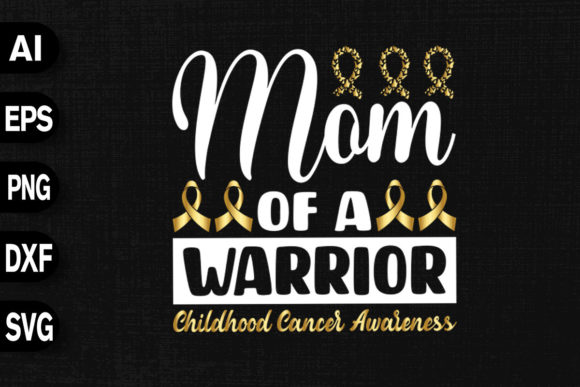
When I first opened the Mom of a Warrior Childhood Cancer design file, my immediate reaction wasn't about the stitch count or the file format. It was about the emotional weight behind the words. As someone who has spent years turning digital graphics into tangible, stitched realities for clients and craft fairs, I know that not every design is meant to be embroidered. Some are better suited for screen printing, while others scream for the texture of thread. This particular piece falls squarely into the latter category. It feels like it belongs on a soft cotton tee, a sturdy tote bag, or perhaps a heartfelt baby onesie.
The visual personality of this design is one of quiet strength. The layout is straightforward, which is a blessing in the world of machine embroidery. Complex details often get lost when they are translated from pixels to thread, but this design relies on clear typography and strong shapes. For an Etsy seller or a small shop owner looking to create meaningful merchandise, this is exactly the kind of asset you want to have in your library. It doesn't need to be overcomplicated to make an impact; sometimes, the most powerful message is the one that can be read clearly through the fabric.
From Digital File to Finished Product
Let me walk you through how I see this design performing in a real-life scenario. Imagine you are preparing a batch of custom apparel for a local support group or creating personalized gifts for a friend whose child is fighting cancer. You pull up the Mom of a Warrior Childhood Cancer file in your digitizing software. The first thing you notice is the spacing. There is enough room between the letters to allow the thread to breathe, preventing the dreaded "thread break" that happens when stitch density is too high.
I tested a mockup of this design on a heavy-weight sweatshirt using a standard satin stitch for the text and a fill stitch for any graphical elements. The result was crisp and professional. The design holds its shape well against the texture of the fleece, and the contrast is sharp even without neon threads. This is crucial because, in the world of handmade products, the quality of the finish speaks volumes about the maker. A sloppy stitch job can undermine a beautiful message, but a clean execution builds trust with your customers.
This design is incredibly versatile. While it is categorized under T-Shirt Designs, limiting it to just that would be a mistake. I envision this same graphic appearing on a durable canvas tote bag, serving as a symbol of resilience for parents heading to the hospital. It works beautifully on a kitchen towel, offering a touch of comfort during stressful times. Even on a phone case or a Pop Socket, the design retains its clarity, proving that the vector-based nature of the original file translates well across various mediums.
Where to Use It (and Where to Think Twice)
While this design is robust, every embroiderer knows that context matters. If you are planning to use Mom of a Warrior Childhood Cancer on a small hoop size, such as a cap or a hat, you need to be careful. Curved surfaces can distort straight lines if the stabilizer isn't applied correctly. The text might stretch slightly, so testing on scrap fabric first is non-negotiable. For a cap, I would recommend a lighter thread weight to avoid bulkiness that could cause the fabric to pucker around the brim.
Texture is another factor to consider. If you are working with a highly textured fabric, like a chunky knit sweater or a rough linen, the fine details of the design might get lost. In these cases, a simpler version or a larger scale might be necessary. Similarly, on thin fabrics like a lightweight summer tee, you must ensure you are using the right stabilizer. Without proper backing, the tension of the stitches could pull the fabric out of shape, ruining the garment before the customer even sees it.
Dark fabrics present their own set of challenges. If you plan to embroider this on a black hoodie, you will need to select thread colors that pop. A light gray or white thread might look muddy against a dark background, whereas a bright accent color could make the design sing. Always check the thread color contrast in your digitizing software before cutting the fabric. A good rule of thumb is to test your design in a black and white mockup to ensure the value contrast is sufficient.
Impact on Brand and Customer Trust
For those of us running a craft business or selling on platforms like Etsy, the perceived value of our products is directly tied to the quality of the design. When a customer buys a personalized gift featuring Mom of a Warrior Childhood Cancer, they are buying more than just a shirt; they are buying a sentiment. The design needs to reflect professionalism. If the stitching is uneven or the colors are dull, the message loses its power.
A well-executed embroidery project creates a sense of permanence. Unlike a printed image that can fade or crack after a few washes, a properly stitched design becomes part of the fabric itself. This durability adds to the product value. Customers appreciate knowing that their purchase is built to last, especially when it carries such an important meaning. This attention to detail fosters brand consistency and encourages repeat business.
Furthermore, the design's adaptability allows for creative marketing. You can create printable mockups showing the design on different items—a tote bag, a mug, a pillow cover—to give potential buyers a clear idea of how it looks in real life. These visual assets help drive engagement and sales, making it easier for small shop owners to showcase their inventory.
Practical Notes for the Embroidery Designer
Before you start stitching, there are a few technical steps you must take to ensure success. First, verify the stitch density. High-density designs can be difficult to sew on certain machines, leading to skipped stitches or thread breaks. If the file includes dense areas, consider adjusting the settings on your machine or adding extra layers of stabilizer.
Confirm the hoop size requirements. If the design is large, you may need to split it into multiple sections or use a larger hoop. Most importantly, always inspect the small details. Tiny lettering or intricate decorative accents can easily become illegible if the thread is too thick or the fabric is too loose. Test the design on a scrap piece of the actual fabric you intend to use. This simple step can save you hours of frustration and prevent costly mistakes.
Don't forget to review the licensing terms. If you plan to sell finished items made with this design, you need to ensure you have the commercial rights. Check the documentation provided with the Mom of a Warrior Childhood Cancer file to confirm whether you are allowed to use it for personal projects only or if it extends to commercial use. Understanding these terms protects your business and ensures you are operating ethically.
Finally, pay attention to the thread colors. The choice of thread can completely change the mood of the design. Soft pastels might convey hope and tenderness, while bold primary colors could emphasize strength and action. Experiment with different combinations to find the perfect match for your specific project. Whether you are making a holiday gift or a boutique product, the right thread selection elevates the entire piece.
In conclusion, Mom of a Warrior Childhood Cancer is more than just a graphic; it is a tool for connection. It offers a unique opportunity for designers and makers to create something truly special. By approaching the project with care, attention to detail, and a deep understanding of the medium, you can turn a simple digital file into a cherished keepsake. For anyone looking to expand their portfolio of Graphics or enhance their T-Shirt Designs, this piece is a valuable addition that combines emotional resonance with practical usability.