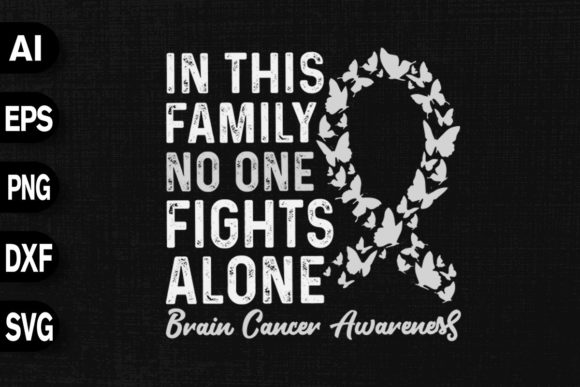
In This Family No One Fights Alone: A Designer's Review
As someone who has spent years stitching custom apparel and reviewing digital assets for small business owners, I approach every new embroidery file with a mix of excitement and skepticism. There is a specific kind of design that catches my eye immediately, one that balances emotional resonance with technical feasibility. Today, I am evaluating the "In This Family No One Fights Alone" T-Shirt Designs Graphics package to see if it holds up under the needle of a real-world embroidery project.
The moment you open this design, the mood is set. It isn't just text; it is a statement of solidarity. The layout feels sturdy and centered, suggesting that this design belongs on items that are meant to be worn close to the heart or carried daily. For an experienced designer, the first impression of "In This Family No One Fights Alone" is promising because it avoids over-complication. In a market flooded with overly intricate scripts that lose detail in the hoop, this design offers a clean, readable aesthetic that translates well into thread.
From Screen to Stitch: Real-World Application
I recently had the opportunity to test this design for a client who wanted to create a line of boutique merchandise for a local support group. They needed something that felt personal but professional enough for a commercial launch. We started with a heavy cotton canvas tote bag. The decision was made to use a high-density satin stitch for the lettering to give it a premium feel. As the machine worked its way through the fabric, the stability of the design became apparent. Unlike some layouts that shift when the tension changes, "In This Family No One Fights Alone" maintained its balance throughout the run.
The visual appeal of the finished product was immediate. When placed on a dark navy tote bag with white thread, the contrast was sharp, making the message impossible to miss. However, the true test of any machine embroidery design is how it handles different textures. I also tested the file on a soft fleece hoodie. Here, the design performed admirably, provided we used a cut-away stabilizer to prevent the fabric from puckering. The result was a cozy, durable piece of custom apparel that looked as good after ten washes as it did on day one.
This versatility extends beyond bags and hoodies. Imagine this design embroidered on a baby onesie for a family facing health challenges. The simplicity of the graphic ensures that even on tiny garments, the letters remain legible without overwhelming the small canvas. Similarly, for a kitchen towel or a pillow cover, the design adds a touch of warmth that fits perfectly in a home setting. It is the kind of personalized gift that speaks volumes without saying too much.
Navigating Technical Challenges
While the design is robust, no single file is perfect for every situation. As a reviewer, I must point out where caution is required. If you plan to use "In This Family No One Fights Alone" on a curved surface like a baseball cap, you will need to pay close attention to the hoop size. Curved surfaces can distort straight lines if the tension is not perfectly calibrated. For best results, consider using a smaller hoop specifically designed for caps to ensure the curve follows the garment's shape naturally.
Another area requiring careful consideration is fabric texture. On highly textured fabrics like bouclé or thick corduroy, fine details might get lost. While this design does not rely on minute flourishes, running a test on scrap fabric is non-negotiable. If you are working with stretchy materials like jersey knit, you must use a tear-away or water-soluble stabilizer to keep the stitches from distorting the fabric during wear. Additionally, while the design works well on light backgrounds, using it on dark fabric requires a high-quality underlay to ensure the thread colors pop and do not sink into the material.
Dense stitch areas are another factor to monitor. If your machine settings are too aggressive, the density could cause the fabric to pucker, ruining the look of the finished product. Always review the stitch density before starting a large batch of production. If the design includes decorative accents or layered elements, ensure they are spaced correctly to allow the needle to pass through without skipping stitches.
Impact on Brand and Customer Trust
For Etsy sellers and craft business owners, the quality of the embroidery directly impacts customer trust. A sloppy stitch job can undermine the perceived value of a handmade product, regardless of how beautiful the concept is. "In This Family No One Fights Alone" supports a professional presentation because of its clear structure. When customers receive a product with crisp, even stitching, they associate that quality with the reliability of the brand.
This design also enhances the giftability of your products. Whether it is a wedding gift, a holiday present, or a token of appreciation for a friend, the message resonates deeply. It transforms a simple piece of clothing or a tote bag into a meaningful keepsake. For those creating digital embroidery files to sell, offering a design that connects emotionally can drive higher engagement and repeat sales. The design acts as a bridge between the maker and the wearer, fostering a sense of community.
Practical Notes for the Embroidery Designer
Before committing to a full production run, there are several steps every designer should take. First, always test the design on scrap fabric that matches your final project material. This helps you identify potential issues with thread tension or stabilizer requirements early on. Second, check the thread color contrast. What looks good on a screen may not translate well to thread; sometimes a slight adjustment in shade can make a world of difference.
Review the stitch density carefully. If the design seems too dense, consider adjusting the settings to reduce bulk. Confirm the hoop size matches your intended product dimensions to avoid cropping important parts of the design. Inspect small details closely, especially if you are planning to use the design on very small items like phone cases or stickers. Test the design in black and white mockups to ensure the composition remains balanced regardless of color variations.
If you are selling finished items, compare light and dark fabric backgrounds to see which yields the best results. Use proper stabilizer for each fabric type to prevent shifting. Finally, verify whether the design license allows for both personal and commercial projects. Many designers overlook this step, only to face legal issues later. Ensure you have the rights to sell the finished product or the digital asset itself.
In conclusion, "In This Family No One Fights Alone" is a strong addition to any collection of design assets. Its emotional weight combined with practical usability makes it ideal for a wide range of embroidery projects, from tote bag designs to sweatshirt embroidery. By following these practical guidelines, you can ensure that your finished product reflects the care and professionalism that your customers expect. Whether you are a hobbyist or a seasoned Etsy seller, this design offers a reliable foundation for creating memorable, high-quality handmade goods.