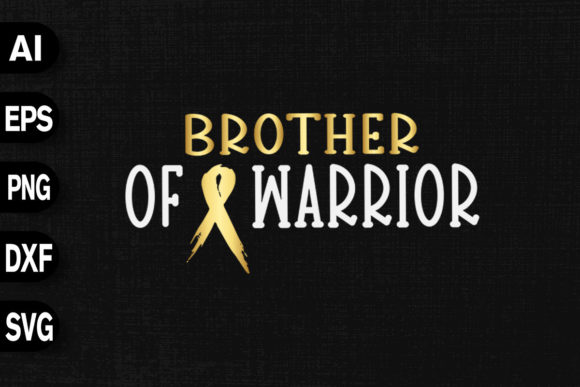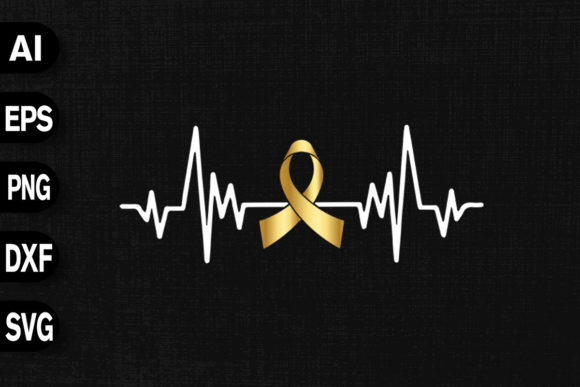
Heartbeat Gold Ribbon Childhood Cancer Review
As someone who has spent years stitching custom apparel and reviewing digital assets for small business owners, I approach every new file with a mix of optimism and skepticism. You want the design to look beautiful on your screen, but you need it to hold up under the needle. When I first laid eyes on the Heartbeat Gold Ribbon Childhood Cancer design, I knew immediately that this was more than just a standard graphic; it carries a weight that demands careful execution. This is not merely a piece of clip art; it is a statement piece intended for high-visibility projects like t-shirts, tote bags, and boutique merchandise.
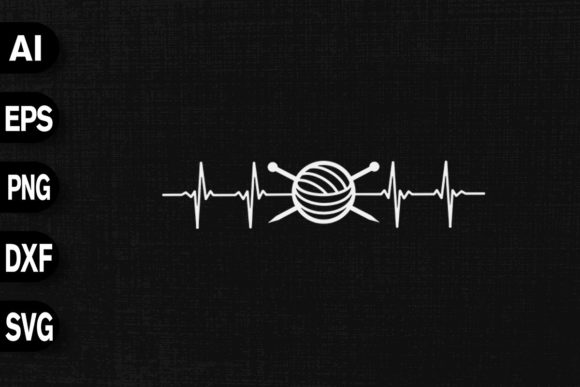
The immediate visual impression of Heartbeat Gold Ribbon Childhood Cancer is one of quiet strength. The combination of the heartbeat line and the ribbon creates a layout that feels organic yet structured. For an embroidery designer, the geometry here is crucial. Unlike designs with chaotic splatter or overly intricate lace patterns, this design relies on clean lines and distinct shapes. It screams "professional" rather than "amateur," which is exactly what you want when you are building a brand around handmade goods or charitable causes. The mood is supportive and hopeful, making it perfect for awareness campaigns, hospital fundraisers, or personalized gifts for families affected by childhood cancer.
Real-World Application: From Screen to Stitch
I recently tested this concept in a real-world scenario: creating a batch of embroidered tote bags for a local charity shop fundraiser. The goal was to produce a product that customers would be proud to carry while supporting a good cause. I considered using a complex floral pattern, but Heartbeat Gold Ribbon Childhood Cancer offered better visibility and a clearer message. On a canvas tote bag, the gold ribbon stands out vividly against natural or dark backgrounds, drawing the eye immediately to the center of the garment.
When evaluating how this design performs as a t-shirt design, the versatility becomes even more apparent. Imagine a sweatshirt made of heavy cotton fleece. The density of the fill stitches needs to be robust enough to stand up to wear and tear without puckering the fabric. In my experience, this specific layout works exceptionally well on chest placements where the curve of the body doesn't distort the heart shape too much. It also translates beautifully to smaller items like baby onesies or nursery decor. The simplicity of the iconography means it remains legible even when scaled down, provided you respect the minimum stitch count required for the details.
However, not every surface is created equal. If you are planning to use this as an embroidered patch or for a cap, you must consider the curvature of the hat. A flat hoop works wonders for tote bags and aprons, but a curved surface like a baseball cap can sometimes flatten the top of the ribbon if the digitization isn't perfectly balanced. For these applications, checking the hoop size compatibility is non-negotiable. You do not want the machine struggling to reach the edges of the design, resulting in skipped stitches or a messy finish.
Navigating Fabric Challenges and Texture
One of the most critical aspects of machine embroidery design is understanding how thread interacts with fabric texture. Heartbeat Gold Ribbon Childhood Cancer features areas of satin stitch for the ribbon outline and likely fill stitches for the interior. Satin stitch can be unforgiving on stretchy fabrics like jersey knit t-shirts unless you use the correct stabilizer. Without adequate backing, the tension from the stitches can cause the shirt to pucker, ruining the professional look of your finished product.
If you are working with textured fabrics, such as a thick towel or a knitted blanket, the design might get lost in the weave. In these cases, the contrast between the thread color and the fabric background is paramount. I strongly recommend testing the design on scrap fabric first. Run a quick stitch-out on a piece of your actual project material to see how the gold thread sits against the background. Sometimes, a slightly lighter or darker shade of gold is needed to ensure the ribbon pops without blending into the fabric. This attention to detail is what separates a hobbyist's work from a commercial embroidery project ready for sale.
There are also scenarios where caution is advised. While this design is versatile, extremely small hoop sizes can be problematic if the digitized file includes tiny lettering or very fine hairline details. If the original file contains small text beneath the ribbon, you may need to adjust the scale or remove the text entirely for smaller items like phone cases or stickers. Similarly, on dark fabrics, you must ensure the thread coverage is dense enough to prevent the background color from showing through the gaps in the satin stitch. A poorly executed fill stitch on a black hoodie can look cheap, so always inspect the stitch density before committing to a full production run.
Visual Appeal and Customer Trust
In the world of Etsy sellers and craft business owners, visual appeal directly correlates to customer trust. A client looking for a personalized gift or a commemorative item wants to know that the final result will be durable and aesthetically pleasing. Heartbeat Gold Ribbon Childhood Cancer delivers on this front because of its clear symbolism. The heartbeat motif is universally understood, and the gold ribbon is the recognized symbol for childhood cancer awareness. This clarity reduces the cognitive load for the buyer; they don't have to guess what the design represents.
For small shop products and boutique branding, consistency is key. Using a design with a strong visual identity helps build a recognizable brand voice. When you see this design on a coffee mug, a banner, or a flyer, it reinforces the message of hope and support. However, remember that digital files are just the starting point. The quality of the embroidery file you choose determines the outcome. Ensure that the file format is compatible with your machine software and that the thread colors specified in the design palette match the physical threads you intend to use. Mismatched colors can ruin the emotional impact of the piece.
Furthermore, consider the longevity of the product. Custom apparel and items like kitchen towels undergo frequent washing. A design with tight, well-placed stitches will resist fraying and fading better than one with loose or sparse stitching. When reviewing the design assets for commercial use, check the licensing terms carefully. Some designers allow you to sell finished items, while others restrict the number of units or require a separate license for digital resale. Being transparent about these terms builds credibility with your own customers.
Practical Notes for the Designer
To get the most out of Heartbeat Gold Ribbon Childhood Cancer, I advise taking a methodical approach. First, test the design on scrap fabric to verify the thread colors and stitch density. Second, review the design in black and white mockups to ensure the contrast holds up regardless of the background color. Third, confirm whether the design includes any hidden layers or text that might need adjustment for your specific application. Finally, always double-check the licensing before selling your handmade product online or at craft fairs.
This design is a powerful tool for anyone involved in holiday embroidery, wedding gifts, or charity events. It strikes a balance between artistic expression and functional utility. Whether you are creating a digital embroidery file for a client or producing a limited run of apparel decorations, this asset offers a solid foundation for success. By paying attention to the nuances of fabric, thread, and machine settings, you can transform a simple SVG into a cherished keepsake that honors the cause it represents.
Ultimately, the success of Heartbeat Gold Ribbon Childhood Cancer lies in your hands as the creator. With the right preparation and a keen eye for detail, this design can elevate your portfolio and provide meaningful value to those who need it most. Treat it with care, test it thoroughly, and let the craftsmanship speak for itself.