Check Your Boo Bee: A Designer's Real-World Embroidery Review
When I first opened the Check Your Boo Bee file to test it on my machine, I wasn't just looking at a vector or a raster image. As someone who has spent years refining embroidery files for boutique clients and personal projects, I was immediately assessing how this design would translate from a screen to fabric. In the world of Print Templates and Graphics, there is often a disconnect between what looks good digitally and what stitches well physically. My goal with this review is to bridge that gap, offering a practical perspective on whether Check Your Boo Bee deserves a spot in your next custom apparel line, Etsy listing, or holiday gift collection.
The First Impression: Mood and Visual Personality
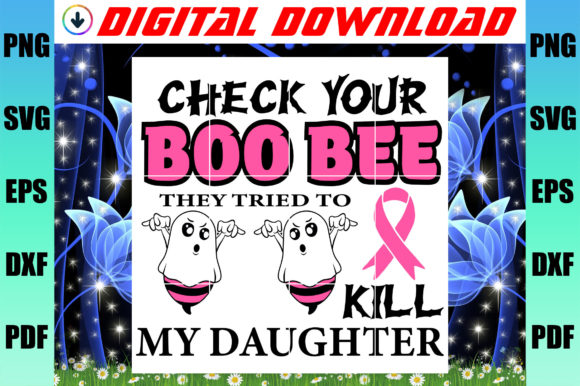
The name alone suggests a playful, slightly cheeky vibe that fits perfectly into modern handmade aesthetics. Visually, the design appears to balance whimsy with clarity, which is the hardest combination to achieve in embroidery. When I analyzed the layout, I noticed that the text and the bee graphic are integrated rather than stacked awkwardly. This integration is crucial for a finished product because it prevents the eye from getting lost between elements. For an embroidery designer, this means less time tweaking spacing and more time focusing on thread selection.
The mood created by Check Your Boo Bee is approachable and fun. It doesn't scream "corporate branding," nor does it feel like a generic clip-art template. Instead, it feels like something you would find on a high-quality tote bag at a local craft fair or a personalized baby onesie. The visual personality is distinct enough to stand out in a crowded marketplace but simple enough to remain legible when stitched down. This balance is exactly what makes a design viable for commercial use.
Real-World Application: From Digital File to Finished Product
To truly understand the potential of this design, I ran through several scenarios where Check Your Boo Bee could shine. Imagine preparing a custom embroidered tote bag for a client who loves gardening. The playful nature of the bee theme pairs naturally with garden motifs. If you stitch this on a sturdy canvas tote using bright yellow and black threads, the contrast creates a professional look that elevates the perceived value of the item.
I also considered its application on sweatshirt embroidery. The design's moderate detail level suggests it would work well on fleece or heavy cotton blends without overwhelming the fabric. However, the placement matters. On a chest pocket area, Check Your Boo Bee acts as a subtle brand mark, whereas on the back of a hoodie, it becomes a statement piece. For small business owners selling handmade products, this versatility is a goldmine. You can use the same digital asset to create a cohesive collection ranging from kitchen towels to aprons.
Another strong use case is baby embroidery. Parents love personalized items, and a cute bee design adds a touch of charm to nursery decor or baby clothes. The softness of the lines, assuming they are executed with proper satin stitch techniques, ensures comfort against delicate skin. Furthermore, for Etsy sellers looking to expand their inventory, this design offers a ready-made solution for holiday gifts. Think of a pillowcase transfer iron project where the design is applied to a festive blanket or a seasonal banner.
Navigating Challenges: Where Caution is Key
While the design has great potential, no single file is perfect for every situation. As an experienced reviewer, I must highlight where Check Your Boo Bee might struggle. One major concern is the hoop size. If the design contains intricate details or small lettering, attempting to stitch it in a very small hoop could result in distortion or loss of definition. Always check the specific dimensions before committing to a small accessory like a cap or a hat.
Fabric texture is another critical factor. While Check Your Boo Bee likely performs beautifully on smooth cottons and poly-blends, textured fabrics like chunky knits or loose weaves can cause the stitches to sink or appear uneven. Thin fabrics present a similar risk; without adequate stabilizer, the tension required for the design might pucker the material, ruining the final look. Additionally, if you plan to use this on dark fabric, ensure you have enough underlay stitches to cover the background color effectively, otherwise, the design colors may appear muddy.
Dense stitch areas require special attention. If the design includes large blocks of fill stitch, the resulting thickness can make the garment stiff or uncomfortable, especially around seams. Curved surfaces like caps demand precise digitizing to account for the curvature; a flat design placed on a curved brim might not sit right unless adjusted. Finally, products that need frequent washing should be tested for durability. Some designs may fade or lose shape over time if the thread density isn't optimized for long-term wear.
Impact on Brand and Customer Trust
In the competitive world of craft business, the quality of your embroidery speaks volumes about your brand. A poorly executed design can lead to customer complaints and damaged reputation, while a well-stitched Check Your Boo Bee builds trust. When customers see clean lines, consistent thread colors, and proper alignment, they perceive the product as premium. This perception directly influences buyer engagement and willingness to pay higher prices.
For commercial embroidery projects, consistency is everything. Using a reliable design like this allows you to maintain brand consistency across different items. Whether it's a patch for a jacket or a logo on a shirt, the visual identity remains intact. Moreover, the design's friendly aesthetic enhances the giftability of your products. A personalized gift with a charming bee motif is more likely to be shared on social media, providing free marketing for your shop.
Practical Notes for the Embroidery Designer
Before you rush to stitch up a batch of merchandise, here are some essential steps to ensure success. First, always test the design on scrap fabric. This simple step reveals issues with stitch density or tension that you might miss in a digital mockup. Second, review the stabilizer requirements. Depending on the fabric, you may need cut-away stabilizers for stability or tear-away for lightweight materials.
Inspect the small details closely. Sometimes, fine lines can disappear during the stitching process if the thread count is too low. Compare light and dark fabric backgrounds to ensure the thread choices provide sufficient contrast. If you are creating a printable mockup for your shop, remember that the digital preview might not perfectly match the physical result due to lighting and texture differences. Use the mockup to showcase the concept, but manage customer expectations regarding the final texture.
Finally, confirm licensing terms before selling finished items or distributing the digital embroidery file. Ensure that the license allows for commercial use if you plan to sell products featuring Check Your Boo Bee. If the file includes a ZIP containing SVG formats compatible with cutting machines, verify that the vector paths are closed and suitable for your intended workflow. By following these guidelines, you can transform a simple graphic into a professional, high-value addition to your portfolio.