Illustration Monkey Listening to Music Review
When I first opened the file for Illustration Monkey Listening to Music, my initial reaction was a smile. In a sea of generic geometric patterns and overly complex floral arrangements, this design stood out because it actually has personality. As someone who spends hours troubleshooting stitch density and thread breaks, I am always looking for designs that balance charm with technical feasibility. This piece is not just a cute graphic; it is a functional asset for anyone running a small embroidery business or crafting personalized gifts.
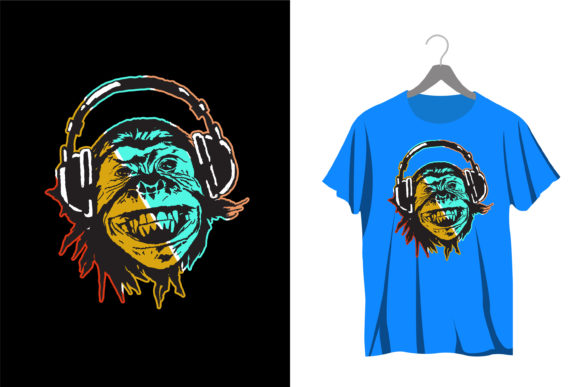
The core concept is simple yet effective: a monkey absorbed in its own rhythm. The layout feels balanced, avoiding the cluttered look that often plagues digital downloads. For an embroidery designer, the most critical question is always, "Will this hold up on fabric?" Since this product is described as being made with 100 vector shapes, it suggests a high degree of scalability. This means you can resize Illustration Monkey Listening to Music without losing the integrity of the lines, which is essential when moving from a tiny baby onesie to a large sweatshirt back print.
Real-World Application: From Screen to Stitch
Let's talk about how this design behaves in a real project scenario. Imagine you are prepping for a holiday craft fair or fulfilling a rush order for a boutique client. You need a custom embroidered tote bag that screams fun but remains professional. Illustration Monkey Listening to Music fits this niche perfectly. The theme appeals to music lovers, students, and creatives, making it a versatile choice for a wide demographic.
I envision this design stitched onto a canvas tote bag using a vibrant yellow or orange thread for the monkey against a deep navy background. The contrast would pop, and the subject matter invites conversation. It works equally well on a soft fleece sweatshirt for a cozy winter look or even on a denim patch attached to a backpack. The versatility here is key for Etsy sellers and small shop owners who need one design to serve multiple product categories, from kitchen towels to nursery decor.
However, before you hit the "stitch" button, you must consider the medium. If you are planning to use this as an applique design, the vector nature of the file is a huge advantage. You can easily separate the layers to create depth, adding a satin stitch border to define the monkey's silhouette against the fabric. But if you are sticking to standard machine embroidery, pay close attention to the fill stitches. Dense areas can sometimes cause puckering, especially on thin fabrics like jersey or light cotton tees.
Technical Considerations for Embroidery Designers
While the visual appeal of Illustration Monkey Listening to Music is strong, practical execution requires caution. Not every surface is created equal. If you intend to embroider this on a curved surface like a baseball cap, be mindful of the distortion that occurs around the brim. Small details might get lost or stretched, so testing the placement on a scrap piece of the actual garment material is non-negotiable.
Stitch density is another factor that determines the longevity of your finished product. Designs with too much fill stitch can feel stiff and uncomfortable, particularly on baby clothes where softness is paramount. Conversely, designs with too little density may look sparse on textured fabrics like waffle knit or boucle. When working with Illustration Monkey Listening to Music, I recommend checking the stitch count in your digitizing software. Ensure that the running stitches used for fine details are long enough to prevent thread breakage but short enough to maintain definition.
Fabric texture plays a massive role in the final outcome. On smooth, tightly woven fabrics, the crisp lines of the vector shapes will shine. However, on loose weaves or stretchy materials, the design might shift during stitching. Always use the proper stabilizer for your chosen fabric. A cut-away stabilizer is generally safer for heavier items like hoodies, while tear-away might suffice for stable cottons. Remember, the goal is a clean finish that looks as good after ten washes as it did on day one.
Where to Exercise Caution
There are specific scenarios where Illustration Monkey Listening to Music might require extra adjustments. Avoid placing this design in extremely small hoop sizes unless you have simplified the details. Tiny lettering or intricate musical notes can become muddy blobs if the resolution is too low for the physical size of the embroidery area. Similarly, dark fabrics require careful thread selection. If the design relies on subtle shading, a dark background might swallow those details unless you use underlay techniques effectively.
Layered garments, such as double-layered aprons or thick blankets, also present challenges. The needle penetration depth must be adjusted to accommodate the thickness without causing the fabric to bunch up. For commercial embroidery projects intended for mass production, these variables must be standardized to ensure consistency across every unit sold.
Impact on Brand and Customer Perception
In the world of handmade products and digital assets, quality speaks volumes. A well-executed embroidery design builds trust. When a customer receives a personalized gift featuring Illustration Monkey Listening to Music, they are not just getting a picture; they are getting a tactile experience. The clarity of the stitches, the vibrancy of the thread colors, and the neatness of the backing all contribute to the perceived value of your brand.
For Etsy sellers and creative entrepreneurs, a high-quality design asset can be a game-changer. It allows you to offer premium products without needing to spend weeks creating the artwork from scratch. When your finished product looks professional, customers are more likely to leave positive reviews, recommend your shop to friends, and return for future purchases. The playful nature of the monkey listening to music adds an emotional connection, making the item feel special and thoughtful rather than mass-produced.
Furthermore, the ability to change colors easily is a massive selling point. Whether a client wants a pastel version for a baby shower or a bold, neon take for a music festival shirt, the vector format ensures you can adapt quickly. This flexibility is crucial for custom apparel businesses that thrive on personalization. It allows you to cater to diverse tastes while maintaining a consistent design language across your inventory.
Practical Designer Notes Before You Start
Before committing to a full production run, follow these steps to ensure success:
- Test on Scrap Fabric: Always stitch a sample on the same type of fabric you plan to sell or use. Check for puckering, thread tension, and color accuracy.
- Review Stitch Density: Inspect the dense areas to ensure they won't be too stiff or prone to breaking.
- Check Hoop Size: Confirm that your machine's hoop accommodates the design dimensions comfortably, leaving enough margin for stabilization.
- Inspect Small Details: Zoom in on the finest lines to see if they are legible at the intended size.
- Test Color Contrast: Mock up the design in black and white to check for contrast issues, then test on both light and dark backgrounds.
- Verify Licensing: Double-check the terms of use. Ensure you are allowed to sell finished items made from this embroidery file or distribute it as a digital product.
Illustration Monkey Listening to Music offers a solid foundation for a variety of projects, from simple hobbyist crafts to serious commercial ventures. By understanding its strengths and limitations, you can create stunning finished products that delight your customers and elevate your brand. Whether you are decorating a pillow cover, printing stickers, or launching a new line of custom apparel, this design provides the creative spark needed to stand out in a crowded market.