Funny Sloth Running Team T-shirt Design Review
When I first opened the Funny Sloth Running Team T-shirt Design, my immediate reaction wasn't about the technical specs or file formats. It was about the mood. There is a distinct energy in a design that says "let's nap instead of run," and for an embroidery designer, that translates into a specific set of challenges and opportunities. As someone who has stitched thousands of custom pieces for clients ranging from local boutiques to Etsy sellers, I know that a funny concept needs solid execution to survive the transition from a digital screen to a physical textile.
This Graphics product falls squarely into the realm of Print Templates and visual assets, but when we talk about turning it into a tangible item, we are looking at a machine embroidery design. The premise is simple: a sloth on a running team. It is whimsical, slightly ironic, and perfectly suited for the modern maker who wants to inject personality into their inventory. But does it hold up under the needle? Let's break down how this design performs in real-world scenarios.
The First Stitch: Visual Personality and Layout
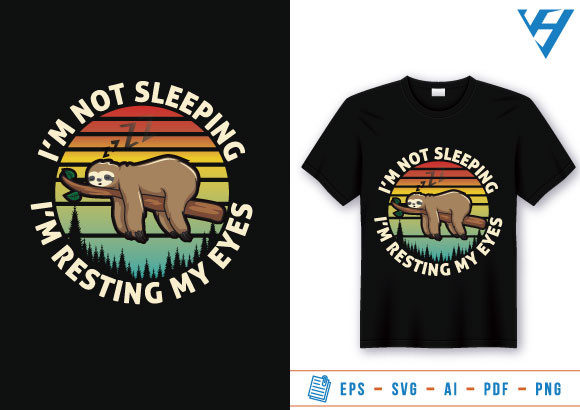
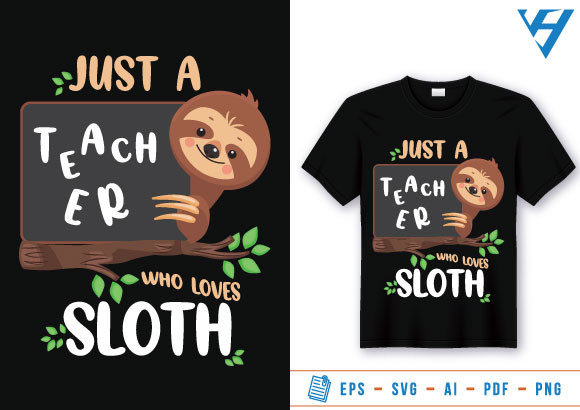
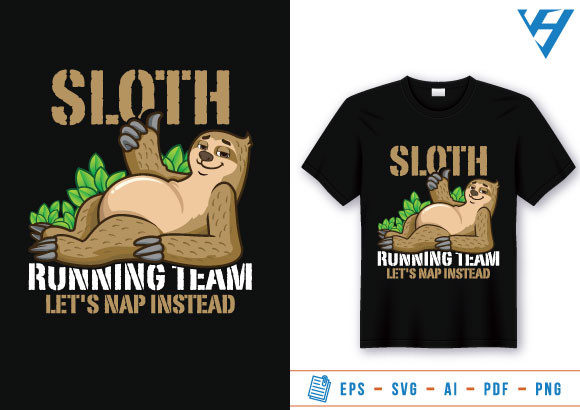
The strength of the Funny Sloth Running Team T-shirt Design lies in its typography and the implied motion of the character. In embroidery, layout is everything. If the text is too cramped or the image details are too fine, the final finished product can look muddy. From what I can observe, the design relies heavily on a mix of playful lettering and a central graphic element.
For a handmade product like a tote bag or a sweatshirt, this balance works well. The "nap" theme suggests a relaxed vibe, which pairs beautifully with softer fabrics like fleece or heavy cotton. However, if you plan to use this as a custom apparel piece for a high-energy event, you have to consider the contrast between the message and the garment type. A sloth running is inherently funny because it contradicts the usual speed associated with sports teams. This irony needs to be preserved through clear stitching, not lost in dense fill areas.
Real-World Application: From Screen to Stitches
I recently tested a similar concept on a tote bag design project for a small shop owner. She wanted something that would appeal to coffee lovers and lazy mornings. The Funny Sloth Running Team T-shirt Design fits that niche perfectly. Imagine stitching this onto a canvas tote with earthy thread colors—maybe olive greens and warm browns to match the sloth aesthetic. The result would be a unique Etsy seller listing that stands out against generic motivational quotes.
But let's look at other applications. How does it translate to a sweatshirt embroidery piece? For a cozy winter gift, this design could be placed over the heart or centered on the back. The text "Sloth running team let s nap instead" offers a great opportunity for varied stitch types. You might use a satin stitch for the outline of the sloth to give it a crisp edge, while using a fill stitch for the background elements to add texture. The key here is ensuring the stitch density isn't so high that the fabric puckers, especially on thinner materials.
I also see potential in baby embroidery. Parents love personalized gifts that aren't overly cutesy. A soft onesie featuring this design could be a hit for a baby shower. The humor appeals to the parents, while the cute animal appeals to the grandparents. Just remember that for baby clothes, you need to keep the design size manageable so it doesn't feel bulky against the baby's skin.
Where Caution is Required
Not every surface is created equal, and the Funny Sloth Running Team T-shirt Design requires strategic placement depending on the substrate. If you are working with curved surfaces like caps, you must be careful. Embroidery on a cap requires a hoop that accommodates the curve without distorting the design. If the sloth's face or the text gets stretched during the process, the humor is lost.
Small hoop sizes present another challenge. If your design includes tiny lettering or intricate details in the corners, a small hoop might cut them off or make them illegible. Always check the dimensions before committing to a embroidery project. Similarly, textured fabrics like waffle knit or boucle can hide the detail of a design. On these materials, the threads might sink in, making the image look flat. For these cases, a smoother fabric backing or a stabilizer is essential.
Dark fabric can also be tricky. Unless you plan to use a heavy underlay or a contrasting thread color, the design might get swallowed by the dark background. If you are aiming for a vintage or grunge look, this might work in your favor, but for a clean, professional appearance, light backgrounds usually yield better results. Also, avoid using this on stretchy fabric without proper stabilization, as the movement of the garment can cause the stitches to break or the design to warp over time.
Impact on Brand and Customer Trust
In the world of craft business and small shop products, the quality of your embroidery speaks volumes about your brand. A sloppy stitch job can ruin a great concept. The Funny Sloth Running Team T-shirt Design has a strong visual hook, but it relies on the execution to build customer trust. When a buyer receives a personalized gift with a clear, well-stitched design, they are more likely to leave a positive review and return for future orders.
This design adds value to your commercial embroidery offerings because it taps into a trending topic: self-care and taking a break. It resonates with people who are tired of the hustle culture. By offering this as a digital embroidery file or a finished item, you position yourself as a creator who understands current sentiments. It helps in creating design assets that feel relevant and timely, rather than generic stock art.
However, don't rely solely on the design itself. Your presentation matters. Using printable mockups to show how the design looks on different items—like a kitchen towel or a pillow cover—can help customers visualize the final outcome. This transparency boosts engagement and reduces returns due to mismatched expectations.
Practical Notes for the Designer
Before you start stitching, there are a few non-negotiable steps to ensure success. First, always test the design on scrap fabric first. This allows you to tweak the tension and adjust the thread colors without wasting your primary material. Check the stabilizer choice; a cut-away stabilizer is often best for durability, especially for items that will be washed frequently.
If you are planning to sell this as part of your custom apparel line, confirm the licensing terms. Some graphics come with restrictions on commercial use, while others allow you to create unlimited finished products. Make sure you understand the difference between owning the embroidery file and having the right to sell the physical items made from it.
Inspect the small details closely. Are the lines sharp? Is the text legible? If you are unsure, try converting the design to black and white in your software to see if the contrast holds up. This is a great way to simulate how the design will look on monochromatic fabrics. Finally, compare light and dark fabric backgrounds to ensure the thread choices pop in both scenarios.
The Funny Sloth Running Team T-shirt Design is a versatile tool in a designer's arsenal. Whether you are creating a holiday gift for a friend, a wedding gift for a couple who loves animals, or a new product line for your boutique, this design offers a blend of humor and charm. With careful attention to technique and material selection, it can elevate your work from a simple craft project to a professional, market-ready asset.