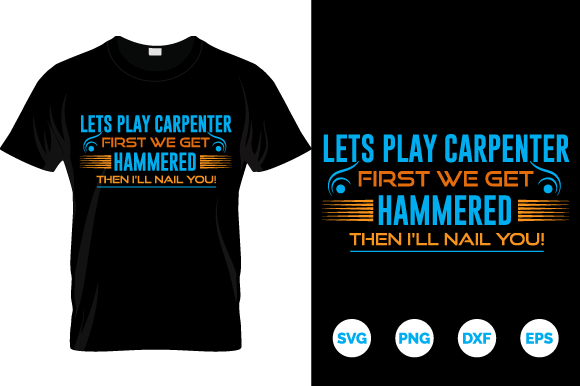
Carpenter T-Shirt Design: A Designer's Real-World Review
When I first opened the Carpenter T-Shirt Design file, I didn't just see a graphic; I saw a project waiting to happen. As someone who spends hours staring at stitch density and thread tension, my initial reaction was one of cautious optimism. The theme is straightforward and instantly recognizable, evoking a sense of rugged utility and craftsmanship. But does that translate well when it moves from a digital screen to a physical piece of fabric? In this review, I am putting the design through its paces based on how it would actually perform in real-life embroidery scenarios.
The First Impression: Mood and Visual Personality
The Carpenter T-Shirt Design carries a distinct personality right out of the gate. It feels grounded, honest, and slightly nostalgic. Unlike overly complex floral patterns or abstract modern art, this design leans into a classic aesthetic that resonates with tradespeople, DIY enthusiasts, and anyone who appreciates a well-made tool. The layout appears balanced, suggesting that the artist intended for it to sit comfortably on the chest of a garment or the center of a tote bag without feeling cramped or overwhelming.
For an embroidery designer, the visual appeal of a file is crucial because it dictates the final product's value. This design creates a mood of reliability. It suggests that the person wearing or using the finished item takes pride in their work. Whether you are creating a custom apparel piece for a client or a unique gift for a father figure, the design commands respect. It doesn't scream for attention; instead, it whispers quality, which is often exactly what makes a handmade product stand out in a crowded marketplace like Etsy or a local craft fair.
Real-Life Application: From Screen to Stitch
Let's imagine a specific scenario. You have a new order for a boutique shop specializing in artisanal kitchen goods. They need a set of embroidered tea towels and aprons to match their brand identity. You pull up the Carpenter T-Shirt Design as your primary motif. How does it hold up?
In this context, the design shines. Tea towels and heavy cotton aprons provide a stable canvas for embroidery. The lines of the design likely translate beautifully onto these surfaces, creating a professional finish that elevates a simple household item into a cherished keepsake. The design works exceptionally well as a tote bag design too. Imagine a sturdy canvas bag featuring this motif, perfect for carrying tools or groceries. The durability implied by the theme matches the durability of the fabric.
I also envision this design being used for sweatshirt embroidery. The texture of fleece or heavy cotton blend can soften the edges of the stitching, giving the final product a cozy, lived-in feel. For a baby embroidery project, such as a onesie or a small bib, the design might need slight scaling, but the core concept remains charming. It transforms a standard garment into a personalized gift that tells a story about family heritage or future aspirations.
Furthermore, if you are a small shop product creator looking to expand your catalog, this design offers versatility. It fits perfectly into holiday embroidery collections, perhaps as part of a "Christmas Gift for Dad" series. The commercial embroidery potential is significant here because the imagery is gender-neutral enough to be adapted while retaining its core charm. It acts as a strong design asset for digital product sellers creating mockups to preview their offerings before they even cut the thread.
Where Caution Is Required
However, no design is a magic bullet, and Carpenter T-Shirt Design has its limitations. As an experienced reviewer, I must point out where this file might struggle. If you plan to use this on a small hoop size, such as a 4x4 inch frame, you need to scrutinize the detail level closely. Small details can get lost in the stitching process, especially if the design includes tiny lettering or intricate linework that relies on negative space.
Fabric choice is another critical factor. Textured fabrics, like boucle or heavily brushed fleece, can obscure the definition of the design. Thin fabrics require careful handling; if the design involves a high amount of stitch density, it could cause puckering or distortion on lightweight materials. Similarly, stretchy fabrics like jersey knit demand a stabilizer strategy that goes beyond the basics. Without proper support, the machine embroidery design might warp during the wash cycle.
Dense stitch areas, particularly if the design uses large blocks of fill stitch, can become stiff and uncomfortable if not executed correctly. This is especially true for embroidered patches intended for wear on jackets or hats. Curved surfaces like caps present their own challenges; a design that looks flat on a screen might look distorted when wrapped around a curved brim. Additionally, dark fabrics require a contrasting underlay or a different thread color palette to ensure the design pops. If the contrast isn't managed well, the finished product may look muddy rather than crisp.
Impact on Brand and Customer Trust
The quality of the embroidery directly influences customer trust. A poorly digitized or stitched design can make a craft business look amateurish, regardless of how good the underlying idea is. Conversely, a clean execution of the Carpenter T-Shirt Design signals professionalism. When a customer sees a sharp satin stitch outline and consistent running stitch details, they assume the entire brand operates with similar precision.
This design has the potential to enhance brand consistency. Because it is thematic and clear, it can be used across various items—kitchen towel, pillow cover, apron, and cap—creating a cohesive look for your shop. This recognition factor is vital for Etsy sellers and creative entrepreneurs building a loyal following. When buyers recognize your style, they are more likely to return. The design also adds to the giftability of your products; a well-executed embroidery piece feels personal and thoughtful, increasing the perceived value of the item.
Practical Notes for the Embroidery Designer
Before you commit to running a production batch, there are essential steps you must take. First, test the design on scrap fabric that matches your final material. This allows you to check thread color contrast and observe how the stabilizer interacts with the fabric grain. You should review the stitch density to ensure it isn't too heavy for the chosen material.
Confirm your hoop size requirements early. If the design exceeds your machine's capabilities, you will need to split it or adjust the scale. Inspect small details in black and white mockups to ensure they remain legible. Compare how the design looks on both light and dark backgrounds to determine the best thread colors. Always use the proper stabilizer for the specific fabric type to prevent shifting or puckering.
Finally, verify whether the design works for both personal and commercial projects. Check the licensing terms provided with the Print Templates and Graphics package. If you intend to sell the finished items, you must confirm that the license permits commercial use. Do not guess. If the file formats or specific technical specifications like stitch count are not clearly listed, reach out to the provider or test extensively before selling.
Ultimately, the Carpenter T-Shirt Design is a solid candidate for a wide range of embroidery projects. It balances aesthetic appeal with practical application, making it a valuable addition to any designer's toolkit. By approaching it with care and attention to detail, you can create finished products that delight customers and elevate your brand. Whether you are a hobbyist making a personalized gift or a professional decorator fulfilling a bulk order, this design offers a reliable foundation for your creativity.